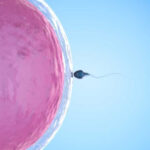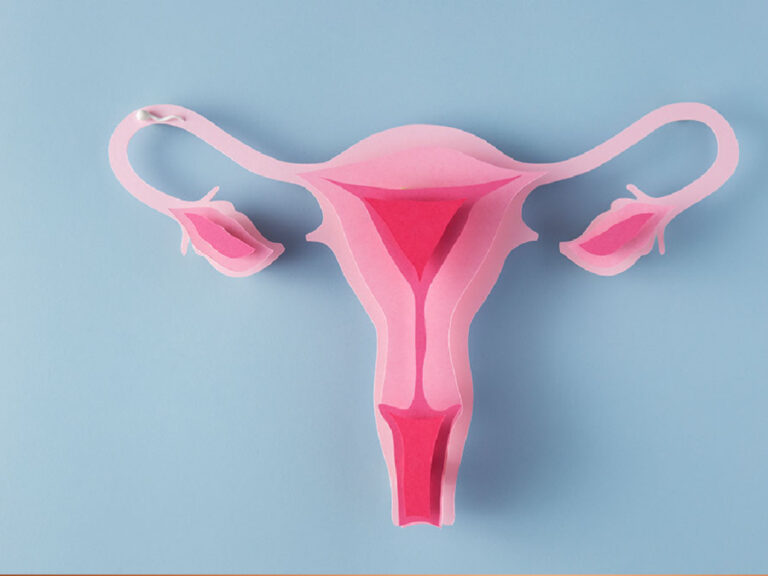

Azoospermia, This is the condition where no sperm cells are found in the male's semen. Approximately 100% of couples who cannot have children... %10–15’inde erkek faktörü Azoospermia manifests itself as a condition sometimes presenting as congenital and sometimes acquired, and often presents without any symptoms. Men usually only discover they have azoospermia during fertility tests.
The Difference Between Azoospermia and Cryptozoospermia
Azoospermia: Semen contains no sperm cells.
Cryptozoospermia: Even after specialized processes like centrifugation, a very small number of sperm cells may be found.
👉 This distinction is crucial because a misdiagnosis can directly affect the treatment plan and the IVF process.
Azoospermia Species
Azoospermia, obstructive (due to blockage) And non-obstructive (not related to blockage) They are examined in two main groups.
Obstructive Azoospermia
Sperm production occurs, but because the ducts are blocked, no sperm is found in the semen.
Causes include absence of the vas deferens, or blockages in the epididymis or other sperm ducts.
The most common methods used in these patients are:
MESA (Microscopic Epididymal Sperm Aspiration)
TESA (Testicular Sperm Aspiration)
Micro-TESE (Microscopic Testicular Sperm Extraction)
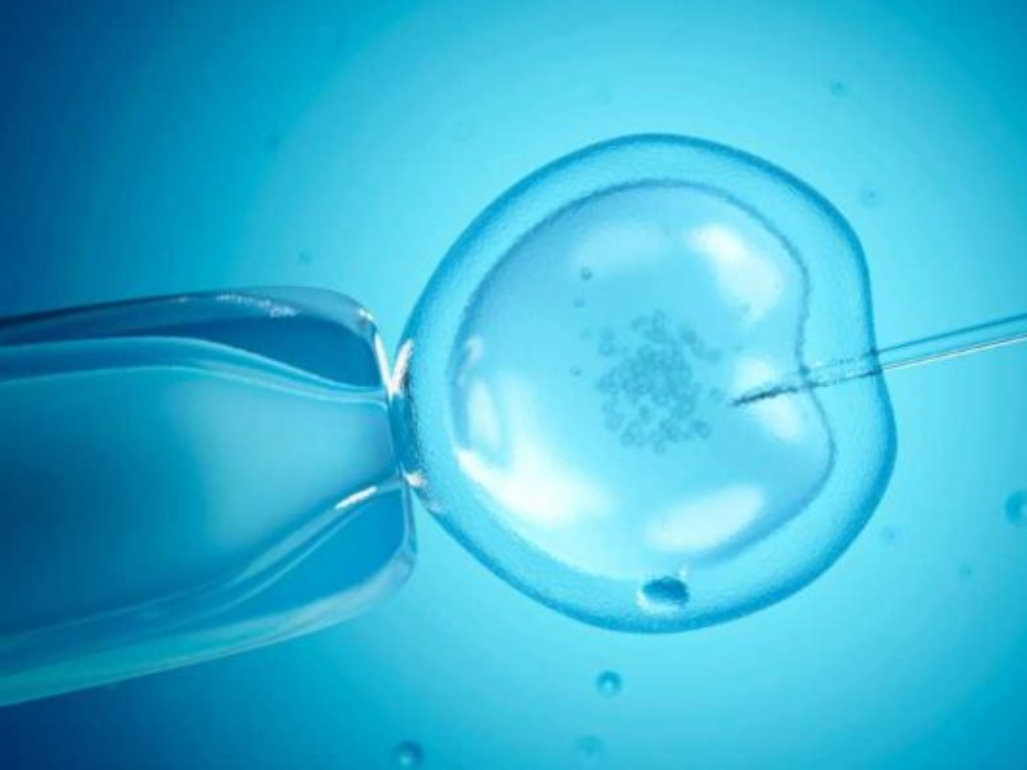
✅ Sperm obtained through these methods are used in in-vitro fertilization (IVF) treatment.
Special case: Congenital Bilateral Vas Deferens Agenesis (CBAVD) In patients with this condition, cystic fibrosis carrier status should be investigated, and if both are carriers, embryos should be examined. PGT-M genetic test It should be done.
Non-Obstructive Azoospermia (NOA)
The problem is that the testicles are unable to produce sperm or are produced at very low levels.
The reasons fall into two groups:
Pre-testicular (hormonal): Hypogonadotropic hypogonadism (hypo-hypo), hypothyroidism, pituitary tumors, Kallman syndrome.
Testicular (related to the testis): Varicocele, undescended testicles, chemotherapy/radiotherapy, Klinefelter syndrome, Sertoli Cell Only (SCO) syndrome.
Hormonal Disorders and Azoospermia
Hypogonadotropic Hypogonadism (Hypo-hypo): Hormone levels are very low, but improvement with treatment and natural pregnancy are possible.
Hypergonadotropic Hypogonadism: Testicular response is weak, FSH and LH are high, and testosterone is low. Although treatment is controversial, hormone therapy may improve the success rate of micro-TESE.
Genetic Reasons
Klinefelter Syndrome (47,XXY): The most common cause is genetic. Typical findings include low testosterone, small testicles, and sparse hair growth.
Y Chromosome Microdeletions:
AZFa and AZFb deletions: The chance of finding sperm is nil or very low.
AZFc deletion: Mikro-TESE ile %35–65 oranında sperm bulunabilir.
Cystic fibrosis gene mutation: It should be investigated especially in those with vas deferens absence.
How is azoospermia diagnosed?
At least twice spermogram It should be done.
Hormone tests: FSH, LH, Testosterone, Prolactin, TSH.
Radiological tests: Scrotal Doppler USG, TRUS, MRI.
Genetic tests: Karyotype analysis, Y microdeletion test.
Azoospermia Treatment
Hormonal Treatment
In particular, in hypo-hypo patients, sperm production can be achieved with FSH, LH, and testosterone treatment.
In hypergonadotropic patients, treatment with hCG, hMG, FSH, clomiphene citrate, and tamoxifen may increase the success rate of micro-TESE.
Micro-TESE
In patients with non-obstructive azoospermia, sperm is sought in the testicular tissue.
The success rate can be increased with appropriate hormone therapy beforehand.
✨ Conclusion:
Azoospermia is a serious problem for infertile men, however Accurate diagnosis, detailed evaluation, and personalized treatment. It is possible to become a father with [these words/texts]. Nowadays micro-TESE, MESA, TESA Thanks to methods such as these and genetic testing, many azoospermic men can have children through in-vitro fertilization (IVF).