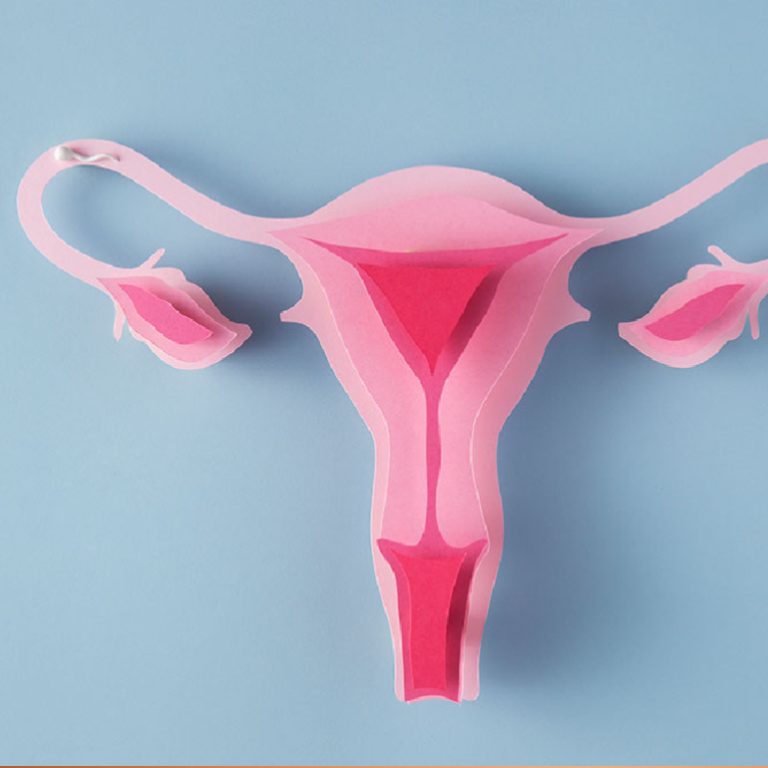
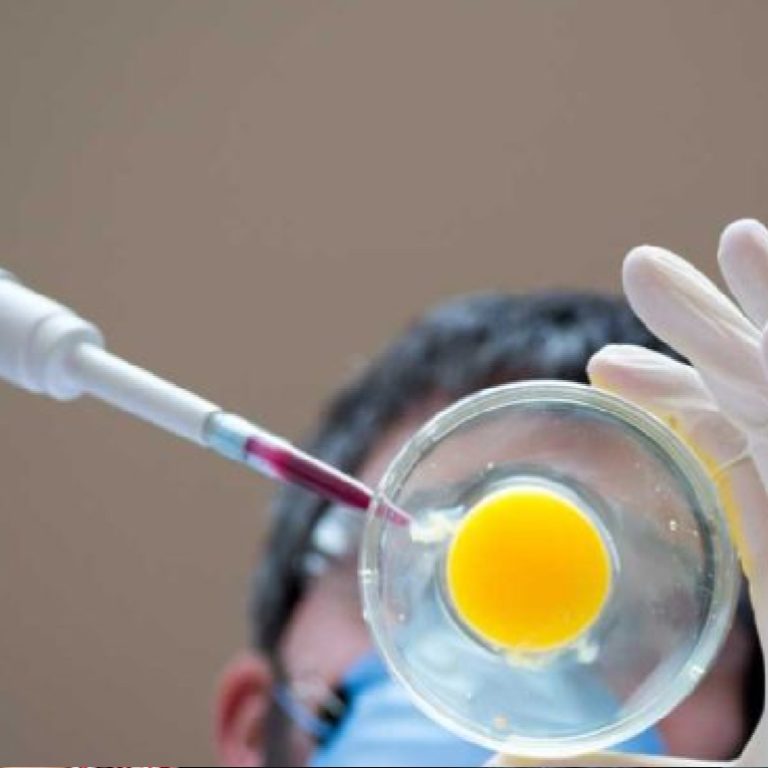
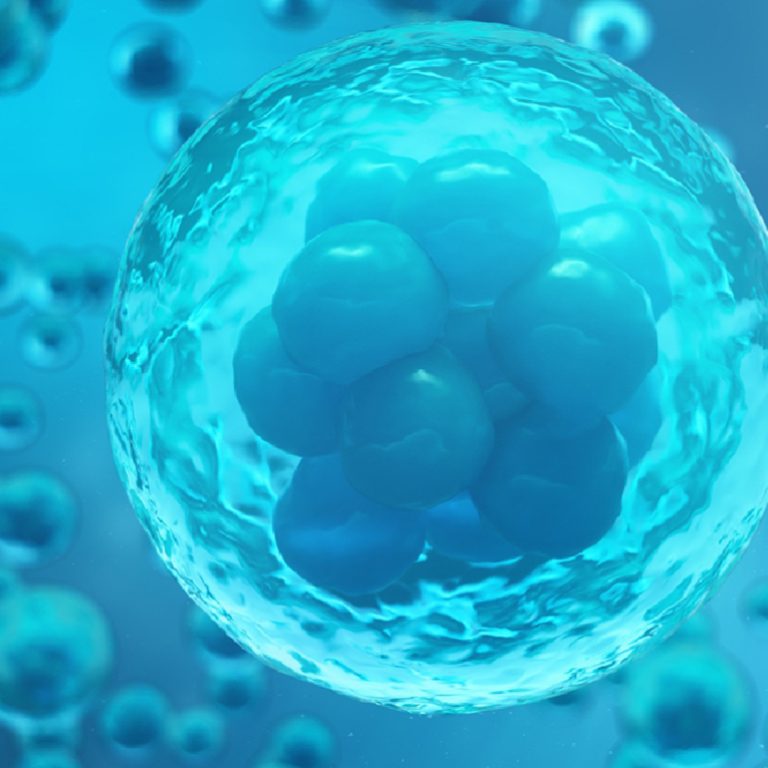
What is infertility? Infertility is the inability of a couple who want to have children to conceive within a certain period of time despite regular sexual intercourse…
What is a Hysterosalpingography (HSG)? A hysterosalpingography is an important imaging method used to evaluate the female reproductive system. Specifically…
Genetic mutations related to blood clotting can affect the chances of an embryo implanting in the uterus and the continuation of pregnancy. Therefore, they can cause infertility and recurrent pregnancy…
Insulin is one of the most important regulatory hormones of metabolism. Insulin resistance develops when the body cannot use insulin properly. This condition requires control…
Menopause is defined as a woman's spontaneous and non-medicinal cessation of menstruation for the past 12 months. The normal age for menopause is generally 48–50 years…
One of the most important factors determining fertility in women is ovarian reserve. Ovarian reserve refers to the number of follicles (precursors of egg cells) in the ovaries…
One of the most important steps in evaluating infertility in women is examining the structure of the uterus. Congenital structural abnormalities, medically known as Müllerian anomalies, ...
The function of the fallopian tubes is to facilitate the meeting of sperm with the egg and to help the fertilized egg reach the uterus. However, infections, past...