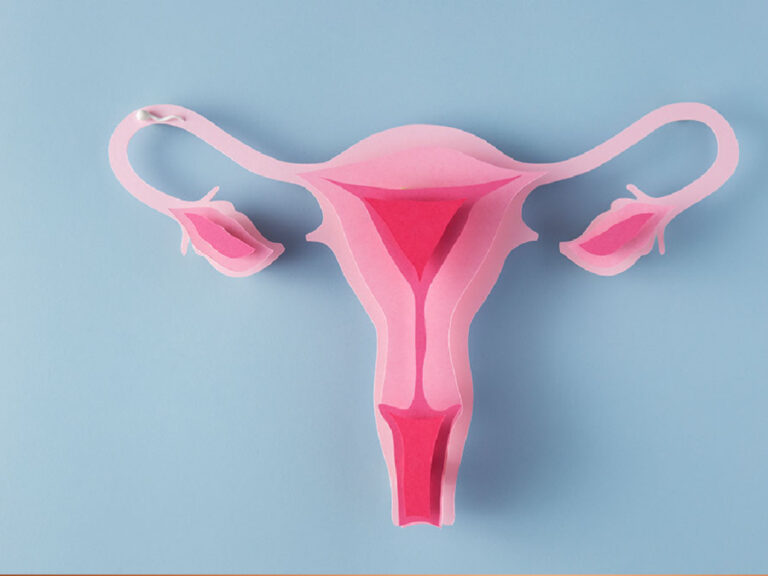


Menopause, Menopause is defined as a woman's spontaneous absence of menstruation without medication for the past 12 months. The normal age for menopause is generally... 48-50 years old It is among them.
Early menopause: Menopause between the ages of 40 and 45.
Premature ovarian failure: Menopause before the age of 40.
Perimenopause: The 3-4 year transition period before menopause is characterized by menstrual irregularities and hormonal changes.
Surgical menopause: Amenorrhea (cessation of menstruation) due to removal of the uterus or ovaries.
What tests are done in early menopause?
General health assessment: Anemia, thyroid, blood sugar, and cholesterol tests.
Cancer screenings: Regular smear tests, gynecological examinations, and ultrasounds starting at age 40.
Breast health: Depending on risk factors, a mammogram once a year or every two years.
Bone health: Early measurement of bone density in women at risk.
Is pregnancy possible in early menopause?
For women who have fully entered menopause, pregnancy is not possible through natural means.
However, pregnancy can occur, albeit rarely, during the menopausal transition period (especially before age 40). The chance of pregnancy is low and the risk of miscarriage is high during this time.
Today stem cells, PRP, exosomes Experimental treatments like these are being investigated. However, these do not create new eggs; they only aim to stimulate dormant eggs.
Conditions That May Be Encountered in Early Menopause
Physical changes: Hot flashes, weight gain, osteoporosis, skin and hair problems.
Psychological effects: Depression, anxiety, forgetfulness.
Urogenital changes: Urinary tract infections, urinary incontinence, decreased libido, painful intercourse.
Cardiovascular diseases: The risk increases after menopause.
👉 Regular exercise, a balanced diet, avoiding smoking and alcohol, and paying attention to your sleep schedule will help you get through this process more healthily.
Treatment Options for Early Menopause
Hormone therapy: Estrogen + progesterone combinations are generally recommended up to the age of 48–50.
Alternative treatments: Phytoestrogens for those who don't want to use hormones.
Supplements: Vitamin D, calcium, magnesium, Omega-3, coenzyme Q10, folic acid, and B12.
Psychological support: Management of anxiety and depression through therapy, if needed.
✨ Conclusion:
Early menopause is a significant process that affects both a woman's reproductive health and overall quality of life. Regular check-ups, personalized treatments, and healthy lifestyle habits can help women navigate this period more healthily.