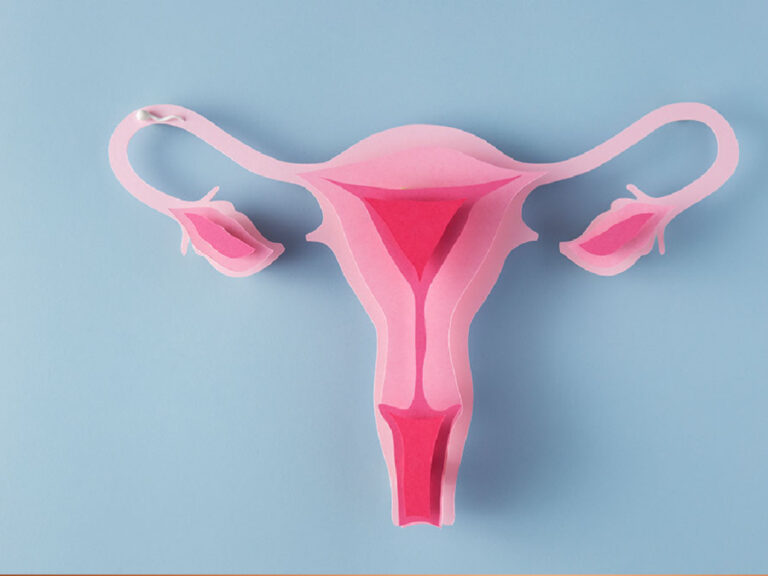


One of the most frequently asked questions about IVF treatments is when the embryo will implant in the uterus. The embryo doesn't attach immediately after transfer; it needs a certain amount of time, just like in natural pregnancies.
When does the embryo attach to the uterus?
In natural pregnancies, the embryo implants in the uterus 6 to 12 days after ovulation. The average time is 8-9 days. This time interval is called the implantation window.
The situation is the same in IVF treatments:
• After transfer, 2-4 day old embryos continue to divide in the uterus, and implant after reaching the blastocyst stage.
• When day 5 embryos (blastocyst transfer) are performed, the implantation process is shorter and usually occurs within 2-4 days after transfer.
How does adhesion occur?
There is a biochemical communication between the uterus and the embryo called "cross talk." The embryo finds the most suitable environment for itself in the uterus, and the following processes occur:
• The embryo initially attaches superficially to the uterine tissue.
• Its outer cells migrate towards the uterus and integrate with the blood vessels.
• Over time, the placenta forms, and the exchange of nutrients and oxygen between the baby and the mother begins.
What are the signs of attachment?
• Lekelenme tarzı vajinal kanama (%15-20 hastada) – “tutunma kanaması” olarak bilinir.
• Mild groin pain
• Breast tenderness (especially noticeable in natural pregnancies, less so in IVF due to the medications given)
Note: These symptoms are not a definitive indicator of implantation. Some women experience no symptoms but are still pregnant.
How to Take a Pregnancy Test?
Pregnancy is confirmed by the release of the hormone hCG after the embryo implants.
• Blood pregnancy test (Beta-hCG): This is the most reliable method and also allows you to monitor the increase in levels.
• Urine test: Easier but only gives a positive/negative result; can be misleading in the early stages.
When should I take the test?
hCG levels become measurable 5-7 days after embryo transfer. However, for the most reliable results, the test should be performed 9-12 days after transfer. Tests performed earlier may lead to confusing and inaccurate results.
Conclusion
The implantation process doesn't begin immediately after embryo transfer; it takes several days, just like in natural pregnancies. Instead of focusing on symptoms, waiting for a pregnancy test result in the blood at the right time is the most reliable approach.