One of the most frequently asked questions about IVF treatments is when the embryo will implant in the uterus. Immediately after transfer, the embryo...
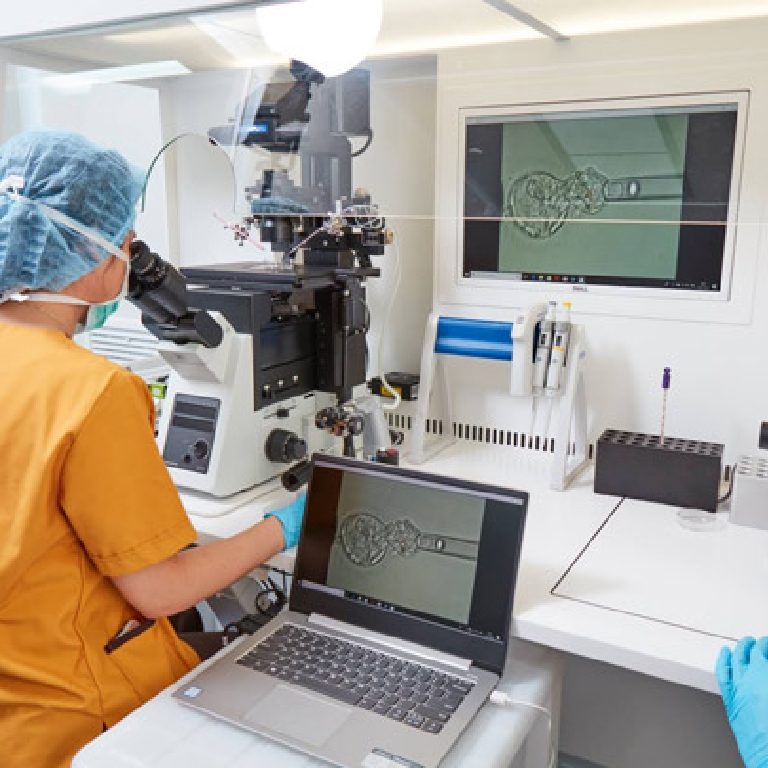
Genetic testing of embryos in in-vitro fertilization (IVF) treatments is a crucial step in increasing the chances of a healthy pregnancy and birth. This…
What is Recurrent Pregnancy Loss? Recurrent pregnancy loss is when a woman experiences at least 2 or 3 consecutive pregnancies that end after the 20th week…
Artificial intelligence (AI) is emerging as a rapidly growing technology in healthcare. It is also a critical element in in-vitro fertilization (IVF) treatments…
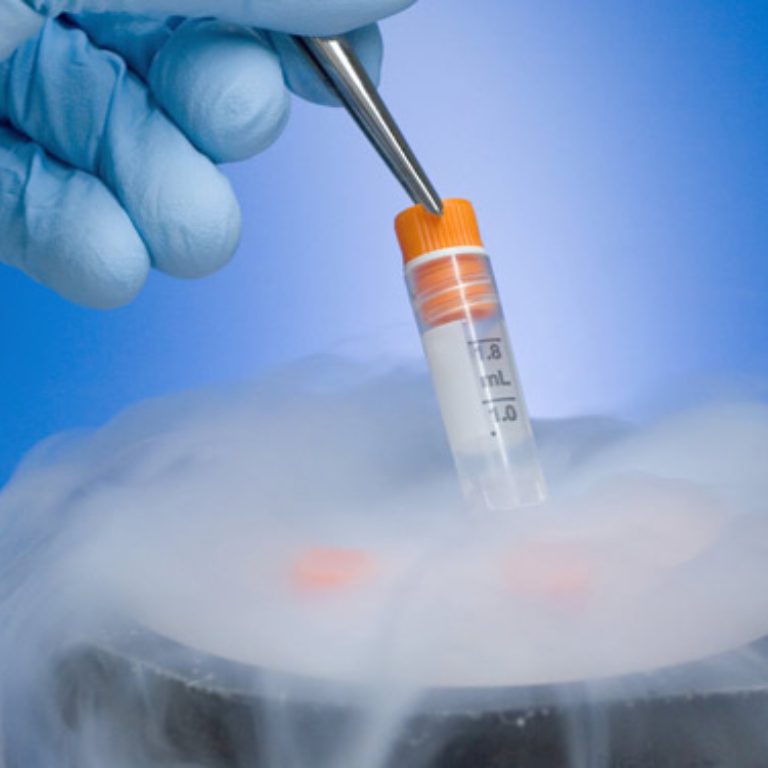
Embryo freezing is the process of preserving high-quality embryos obtained in a laboratory setting during in-vitro fertilization (IVF) treatment using special methods for future use. This...
Egg freezing is the process of storing mature eggs collected from a woman using special methods for future use. This method is used by women who wish to preserve their fertility…
Embryo transfer is the most delicate and critical stage of in-vitro fertilization (IVF) treatment. The methods used in this stage ensure the embryo's implantation in the uterus…
What are exosomes? Exosomes are microscopic vesicles that enable cells to communicate with each other. Different organs and tissues of the body use them to transmit the signals they need…