

What is an exosome?
Exosomes are microscopic vesicles that enable cells to communicate with each other. Different organs and tissues in the body use these vesicles to transmit the signals they need. Inside exosomes:
• Bioactive substances that support cell renewal and repair,
• MicroRNAs that regulate cell function,
• It contains structures that stimulate the production of essential proteins and hormones.
The most effective exosomes are those derived from stem cells. Specifically, exosomes obtained from mesenchymal stem cells, bone marrow, cord blood, and placenta support processes such as tissue regeneration, cell proliferation, blood vessel formation, and wound healing.
The Role of Exosomes in Female Infertility
Scientific studies have shown that exosomes can have significant effects on women's reproductive health:
• It prolongs egg maturation and the lifespan of the cells that nourish the egg.
• It increases estrogen synthesis, making ovulation easier.
• It supports the growth of eggs that are secretly waiting in the ovaries.
• It facilitates embryo formation and implantation in the uterus.
• It improves the uterine lining by thickening thin endometrium.
It can also help protect sperm from harmful factors and support erectile function in men.
Safety and Side Effects of Exosomes
Exosomes, unlike stem cells, do not require recipient-donor compatibility. According to research:
• They do not cause allergic reactions.,
• They do not form tumors,
• They can be applied directly to inflamed areas.
No serious side effects have been reported to date.
How is an exosome administered?
Exosomes can be introduced into the body in different ways:
• By applying it to the skin or injecting it under the skin,
• In the form of nasal spray or eye drops,
• Through the respiratory tract,
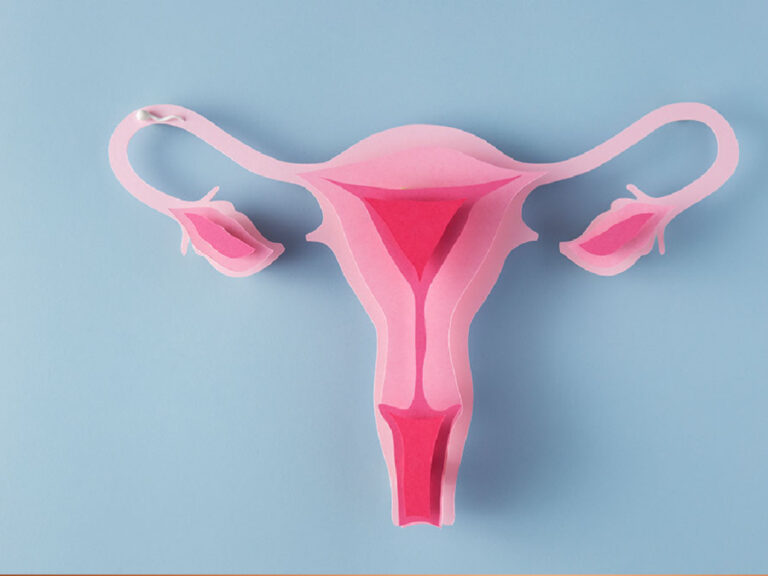
• In women: via injection into the ovary or uterine lining,
• If necessary, using laparoscopic methods.
It is administered via injections under anesthesia guided by ultrasound, particularly in women with low ovarian reserve or uterine damage.
Conclusion
Exosome therapy is a promising and innovative approach in the field of in-vitro fertilization (IVF). However, it must be performed by experienced physicians and evaluated with a personalized plan for each patient.