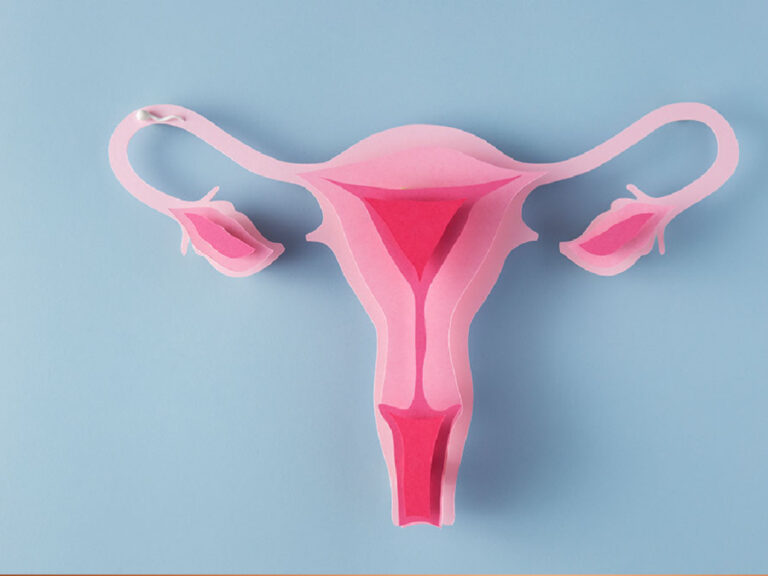

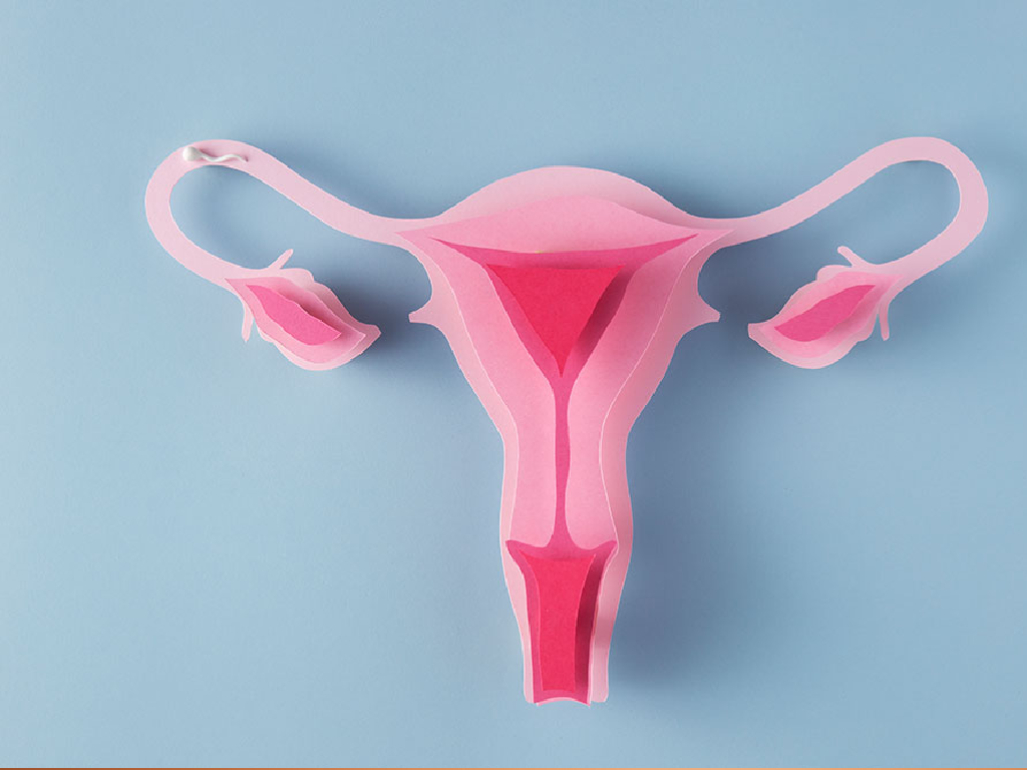
One of the most important steps in evaluating infertility in women is examining the structure of the uterus. Congenital structural differences, in medical terms Müllerian anomalies, This can affect the chances of pregnancy in some women.
How do congenital uterine anomalies occur?
The uterus develops in the womb along with the kidneys and urinary tract. Therefore, in women diagnosed with uterine anomalies, the kidneys and urinary tract must also be evaluated.
How is it detected?
Most women discover they have congenital uterine abnormalities during routine gynecological examinations or infertility investigations. In some women who conceive naturally, these differences may also be noticed during pregnancy.
Common Uterine Anomalies
Arcuate uterus: Slight depression in the uterine dome.
Septate uterus (womb curtain): A septum that divides the inside of the uterus.
Bicornuate uterus: The uterus is divided into two parts, externally resembling rabbit ears.
Uterus didelphys: Two separate uterine cavities, along with a double cervix.
Unicornuate uterus: A developed half-uterus on either the right or left side, connected to a single fallopian tube.
How is a definitive diagnosis made?
2D ultrasound: In experienced hands, this is often sufficient.
3D ultrasound: It provides clearer images.
MRI imaging: It is preferable for definitive diagnosis.
⚠️ Important note: For example uterine septum While it can be easily corrected hysteroscopically, bicornuate uterusAttempting to correct the problem using the same method can pose serious risks. Therefore, accurate diagnosis is crucial.
Things to Consider During Pregnancy
Septum or bicornuate uterus: Even if pregnancy occurs, there may be a risk of premature birth due to cervical weakness. In this case, cervical thickness should be monitored with ultrasound, and cerclage stitches should be applied if necessary.
Half uterus (unicornuate uterus): Because it is smaller than normal, its capacity for expansion is limited. This increases the risk of premature birth.
In vitro fertilization (IVF) treatment: Single embryo transfer should be preferred in these patients.
Should every uterine anomaly be corrected?
Not every anomaly requires surgery. The decision to intervene is made based on the type of uterine anomaly, the woman's history of infertility, and previous pregnancy outcomes.
For example, in a patient who has obtained high-quality embryos through IVF treatment, correction of a slight depression in the uterine dome may not be necessary.
✨ Conclusion:
Congenital uterine anomalies do not always prevent pregnancy. However, with accurate diagnosis and appropriate surgical intervention when necessary, the chances of success in both natural pregnancy and IVF treatments can be increased.