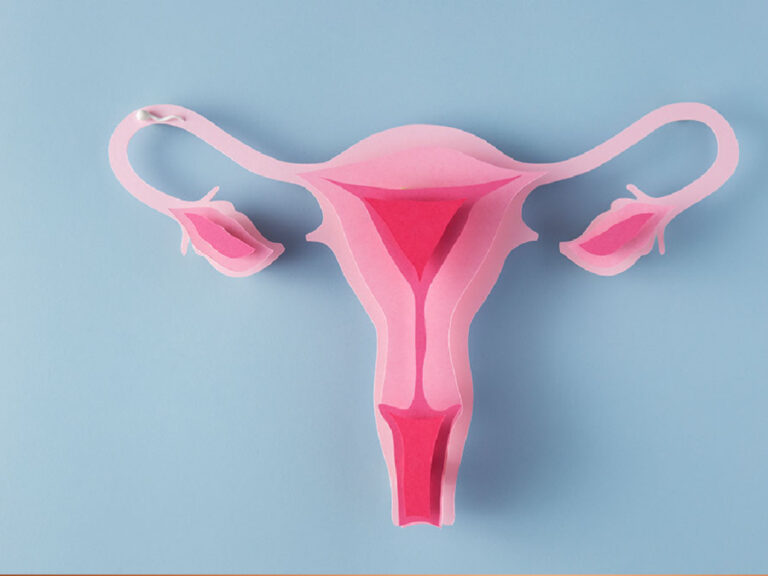


The function of the fallopian tubes is to facilitate the meeting of sperm and egg, and to help the fertilized egg reach the uterus. However, the structure of the tubes can be damaged due to infections, previous surgeries, or conditions such as endometriosis. In this case, the tubes widen and fluid accumulates. This condition is called endometriosis. hydrosalpinx It is called.
How is hydrosalpinx diagnosed?
Ultrasound: Enlarged and fluid-filled tubes may be visible if the condition is advanced.
Hysterosalpingography (HSG): This is the most commonly used method in the diagnosis of hydrosalpinx.
Laparoscopy: Evaluation of the tubes with methylene blue provides the most accurate diagnosis.
How does hydrosalpinx affect pregnancy?
Scientific studies show that in the presence of pronounced hydrosalpinx:
The chances of success with IVF are halved.,
The risk of miscarriage increases.
👉 This is because fluid from the fallopian tube can pass into the uterus, preventing the embryo from implanting. Even if one tube is healthy, fluid in the other tube can negatively affect the chances of pregnancy.
How is hydrosalpinx treated?
It is not possible for a damaged fallopian tube to fully return to its original state. The goal of treatment is to prevent the fluid in the tube from reaching the uterus.
Removal of the tube (salpingectomy)
Severing the connection between the uterus and the fallopian tubes (tubal ligation)
These processes mostly laparoscopic surgery This is done by... Generally, tube removal is a more permanent and safer solution.
Should every case of hydrosalpinx be treated surgically?
Prominent, dilated fallopian tubes: Surgery is definitely necessary.
Mild hydrosalpinx: The decision is made based on the patient's condition.
If the first IVF attempt is to be made and there are many embryos: The surgery can be postponed.
If there have been numerous failed attempts: It is preferable to intervene in the fallopian tube before embryo transfer.
✨ Conclusion:
Hydrosalpinx significantly reduces the chances of pregnancy, both in natural conception and in-vitro fertilization (IVF). Therefore, accurate diagnosis and, if necessary, surgical intervention increase the chances of success.