

Polycystic Ovary Syndrome (PCOS), doğurganlık çağındaki kadınların yaklaşık %10–15’inde görülen, hem hormonal hem de metabolik etkileri olan kompleks bir tablodur. Yumurtlama sorunlarına yol açarak adet düzensizliği ve infertilite (kısırlık) ile kendini gösterebilir. PKOS’lu kadınların yaklaşık %70’inde çocuk sahibi olma zorluğu görülür.
The Difference Between Polycystic Ovary Appearance and PCOS
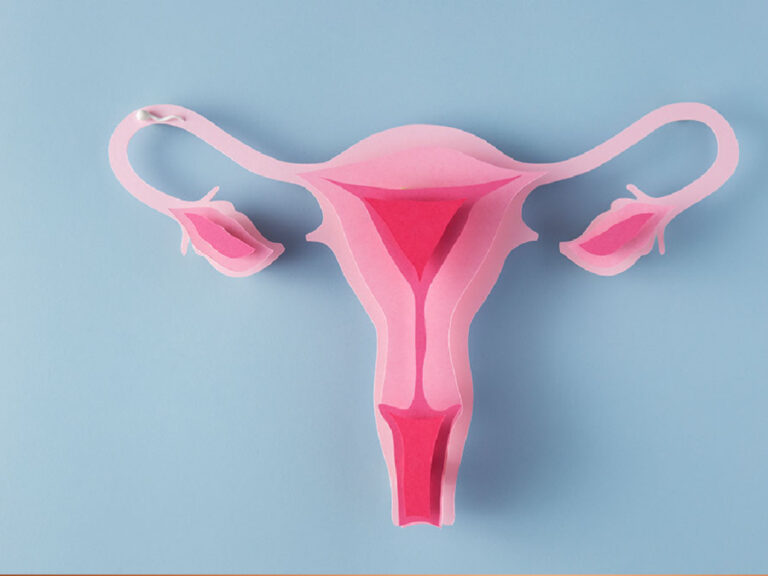
Polycystic ovary syndrome (PCOS): The presence of numerous small follicles arranged in a wall-like layer in the ovaries.
PCOS: In addition to this visual acuity, it is a syndrome accompanied by hormonal imbalances, insulin resistance, and metabolic problems.
👉 While having a large number of egg follicles might seem like an advantage, these eggs may not grow and rupture sufficiently. As a result, ovulation does not occur, and pregnancy cannot happen.
PCOS and Androgen (Male Hormone) Excess
Women with PCOS typically have high levels of androgen hormones (testosterone, DHEAS). This means:
Increased hair growth on the face and body (hirsutism),
Acne and oily skin,
It leads to symptoms such as male pattern hair loss.
PCOS, Obesity, and Insulin Resistance
In half of women with PCOS, regardless of weight status insulin resistance It is found.
Insulin resistance increases androgen levels.
Obesity fuels this vicious cycle.
Chronic inflammation negatively affects egg and sperm quality.
👉 Irregular eating habits → rapid blood sugar fluctuations → frequent cravings → weight gain → increased insulin resistance creates a chain reaction.
💡 Solution: This cycle can be broken with regular exercise, a balanced diet, and weight control.
The Use of Metformin in the Treatment of PCOS
Metformin is a medication that has been used to treat diabetes for many years.
It increases the sensitivity of cells to insulin.
It breaks down insulin resistance and regulates hormonal balance.
It helps lower androgen levels.
It supports treatment by making weight loss easier.
👉 Therefore, it can often be recommended for PCOS patients in infertility treatment.
PCOS and Adrenal Gland Diseases
Rarely, Congenital Adrenal Hyperplasia (CAH) Genetic disorders such as these can also lead to a PCOS-like clinical picture. In this case, androgen hormones increase, and the patient may experience menstrual irregularities, hirsutism (excessive hair growth), and infertility.
PCOS and Infertility: Anovulation
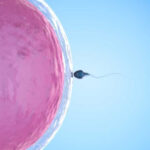
The most important reason why pregnancy does not occur in women with PCOS is..., the absence of ovulation. Since the sperm does not meet the egg, the chance of pregnancy decreases.
Ovulation and Insemination Treatments in PCOS
As a first step, ovulation induction treatment or intrauterine insemination (IUI) can be applied. However, there are some risks:
Drug resistance: Egg development may not occur.
Risk of multiple pregnancy: Treatment may be discontinued if more than one egg develops.
OHSS (Ovarian Hyperstimulation Syndrome): Ovarian overstimulation can pose serious health risks.
In Vitro Fertilization Treatment for Women with PCOS
The most significant risk in IVF is still OHSS (Oppositional Sensitivity Syndrome).
Many eggs may develop, which complicates the treatment process.
Conversely, some patients may experience a poor response to medication.
Success requires the correct medication regimen and an experienced infertility specialist.
✨ Conclusion:
PCOS is not just an ovulation disorder; it's a multifaceted syndrome affecting the metabolic, hormonal, and immune systems. However, it is possible to have children with proper nutrition, lifestyle changes, medication, and, if necessary, IVF treatment.