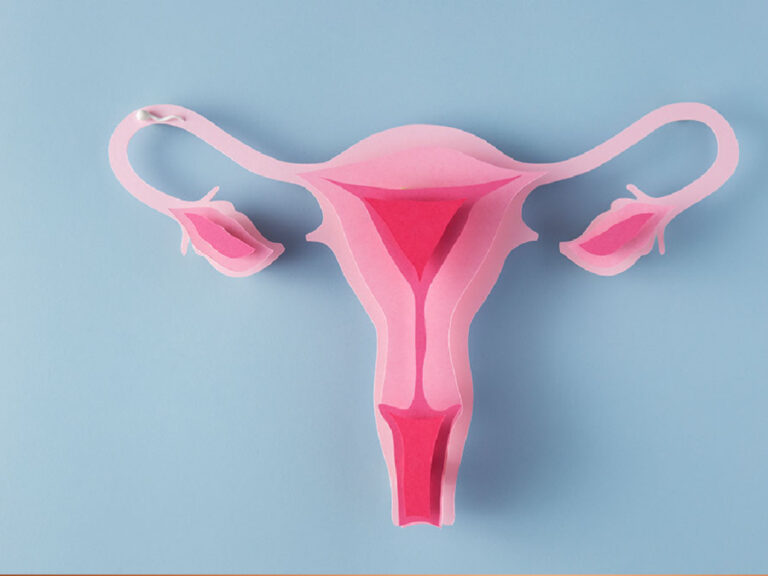


In vitro fertilization (IVF) is a modern method that has enabled millions of couples to have children. However, much misinformation about IVF circulates in society. In this article, we have compiled the most common "misconceptions" for you.
Myth #1: IVF treatment is always successful.
TRUE: The success rate depends on the woman's age, egg reserve, embryo quality, and uterine health. Failure on the first attempt is possible.
Myth #2: IVF treatment increases the risk of anomalies in babies.
TRUE: Studies show that babies born through in-vitro fertilization (IVF) have similar health status to babies born naturally.
Myth 3: The medications we use cause cancer.
TRUE: There is no scientific evidence that hormone medications used in in-vitro fertilization cause cancer.
Myth 4: Rest in bed is absolutely necessary after the transfer.
TRUE: Simply avoiding strenuous activities is sufficient. Lying down for long periods can impair blood circulation and increase psychological stress.
Myth #5: Medications cause weight gain.
TRUE: Hormones can cause temporary bloating and edema, but permanent weight gain is usually due to pregnancy.
Myth #6: Multiple pregnancies are inevitable with IVF treatment.
TRUE: Today, single embryo transfer is recommended to prevent multiple pregnancies.
Myth #7: IVF causes early menopause.
TRUE: The eggs collected are those that would have been lost that month anyway. The age of menopause is not brought forward.
Myth #8: Pregnancy does not occur on the first try.
TRUE: Many couples can achieve pregnancy on their first attempt. The chances of success are individual.
Myth 9: Infertility is solely the woman's fault.
TRUE: The rate of infertility originating from men and women is similar. Often, the problem can be found in either partner.
Myth #10: Women who conceive through IVF cannot give birth naturally.
TRUE: In vitro fertilization only ensures pregnancy. The method of delivery is determined according to the stage of the pregnancy.
Myth 11: A healthy pregnancy cannot result from a low-quality embryo.
TRUE: Every embryo transferred has a chance of pregnancy. Those of very low quality are not transferred.
Myth 12: If a genetic test result is abnormal, subsequent tests will also be abnormal.
TRUE: Each embryo is independent. There is a possibility of obtaining a healthy embryo in each attempt.
Myth 13: A young woman who hasn't menstruated can't get pregnant.
TRUE: There may be treatable causes such as polycystic ovary syndrome or hormonal disorders.
Myth 14: Natural pregnancy is not possible after IVF.
TRUE: Natural pregnancy is possible, especially in couples where the fallopian tubes are open and sperm quality is not bad.
Myth 15: IVF treatment should only begin during the first days of menstruation.
TRUE: If suitable follicle development is present, treatment can also begin at different times in the cycle.
Myth 16: You cannot collect eggs twice in one menstrual cycle.
TRUE: With DuoStim (double stimulation), a second egg retrieval can be performed within the same month.
Myth 17: Chocolate cysts must be removed.
TRUE: Small cysts that do not hinder treatment are left untouched. Surgery is only preferred in special circumstances.
Myth 18: If the fallopian tubes are tied, IVF is not possible.
TRUE: Even if the fallopian tubes are blocked, IVF can be performed, as long as the uterus is healthy and sperm is present.
Myth 19: IVF treatment without medication is impossible.
TRUE: Natural (non-invasive) in-vitro fertilization methods can be applied without medication in suitable patients.
Myth 20: You can have children at any age through IVF.
TRUE: A woman's age is the most critical factor. As egg quality decreases with age, the success rate also decreases. Therefore, freezing eggs or embryos at a young age can serve as a safety net for the future.