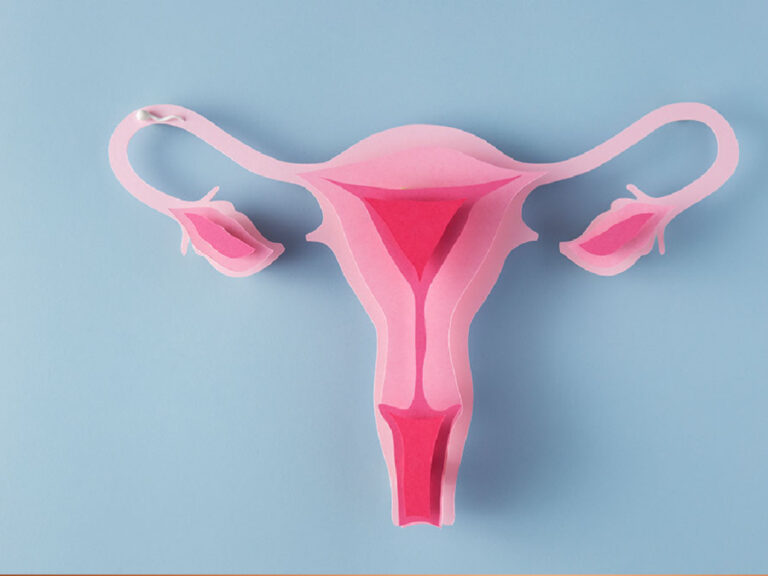


Adenomyosis, It is a condition caused by the implantation of endometrium-like tissue in the muscular layer of the uterus. It is a significant condition that can lead to infertility, recurrent miscarriages, and IVF failures.
How does adenomyosis affect IVF treatment?
It can create problems with embryo implantation.
It can increase the risk of recurrent miscarriage.
It can negatively affect IVF success rates.
It can increase the risk of ectopic pregnancy.
👉 If adenomyosis has grown very large and is narrowing the uterine cavity or preventing the uterus from expanding during pregnancy, surgical options may be considered. These surgeries are absolutely necessary. experienced surgeons It must be done by.
Does adenomyosis prevent embryo implantation?
Yes. Studies show that women with adenomyosis have lower embryo implantation rates. The main reasons for this are:
High estrogen levels reduce the uterine tissue's capacity to accept the embryo,
This is an increase in uterine contractions, making the implantation process more difficult for the embryo.
👉 Therefore, women with adenomyosis usually frozen embryo transfer (DET) This is preferred. In this way, the uterus is prepared with more natural hormone levels, increasing the chances of embryo implantation.
Preventive Measures for Adenomyosis
Hormone-suppressing therapies: Injections that temporarily stop estrogen production from the ovaries can be used.
Resting the uterus: Once hormone therapy is discontinued and the adenomyosis is "put to sleep," the uterus is prepared for embryo transfer.
Personalized treatment plan: The dosage and duration of medication are determined by an infertility specialist based on the patient's condition.
✨ Conclusion:
Although adenomyosis can cause infertility, successful results can be achieved with IVF treatment with the right precautions. The important thing is... personalized treatment approachis.