

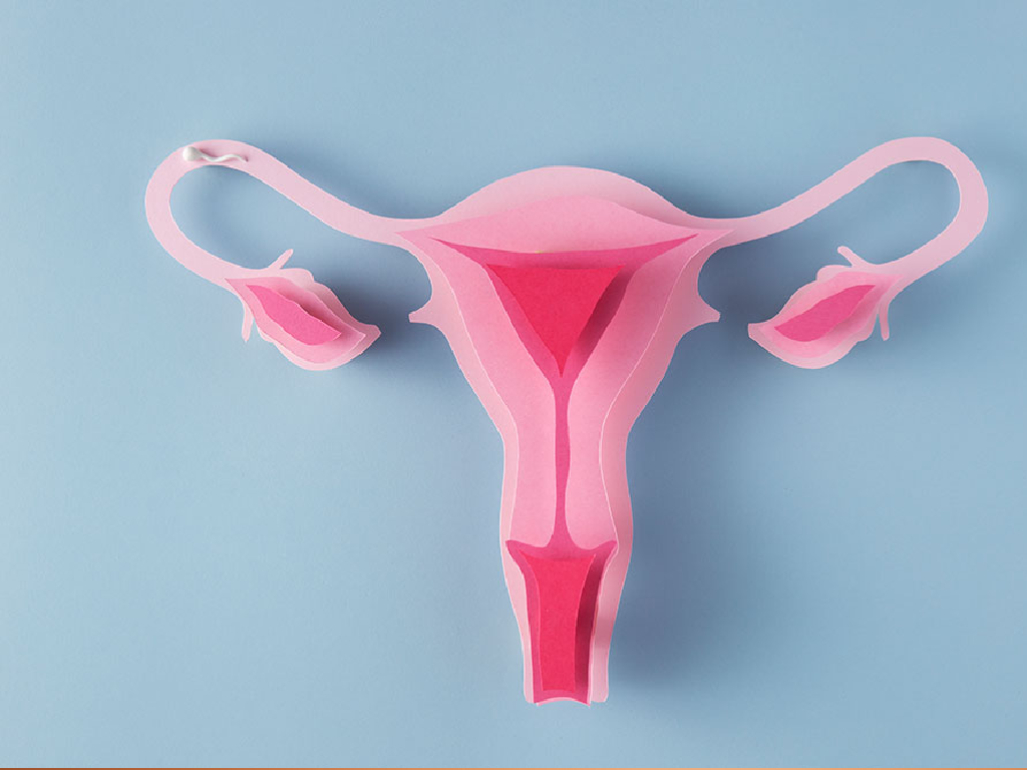
What is a hysterosalpingogram (HSG)?
Hysterosalpingography (HSG) is an important imaging method used to evaluate the female reproductive system. It provides information particularly about the patency of the fallopian tubes and the structure of the uterus. Therefore, it is one of the gold standard methods in infertility investigations.
When is a hysterosalpingogram (HSG) performed?
A hysterosalpingogram (HSG) should be performed after menstruation ends. During this period:
The endometrium (the inner lining of the uterus) has not yet thickened, so the results are clearer.
The risk of a possible pregnancy is eliminated.
How is a hysterosalpingogram (HSG) performed?
The patient takes a position on the gynecological examination table.
A speculum is used to make the cervix visible.
A thin cannula is used to inject contrast material (a fluid visible on X-rays) into the uterine cavity.
After the fluid fills the uterine cavity, it travels into the fallopian tubes, and images are taken during this process.
Is a Hysterosalpingogram (HSG) a Painful Procedure?
This is one of the most frequently asked questions.
When performed with the correct technique and by an experienced physician, the procedure is painless.
Pain is usually caused by traumatic procedures and contractions of the uterine muscles.
Simple pain relievers or muscle relaxants taken a few hours before the procedure will minimize discomfort.
In what situations is a hysterosalpingogram (HSG) not performed?
When pregnancy is suspected
When there is an active infection in the female genital system
Antibiotic use before and after HSG is important because microbes can be carried into the uterus during the procedure, increasing the risk of infection.
Can a hysterosalpingogram (HSG) yield inaccurate results?
Yes. If the procedure is too painful and traumatic, the uterine muscles can contract, and the fallopian tubes, which are actually open, may appear closed. Therefore, both the imaging and interpretation processes should be performed by experienced physicians.
Is there a radiation risk in a hysterosalpingogram (HSG)?
HSG is a method similar to a chest X-ray. On average... 2.7 mgy There is radiation exposure. This dose is no higher than the dose we are exposed to daily from electronic devices or the environment.
Does it harm the eggs?
No. The radiation dose received during HSG does not damage the ovaries. When performed with the correct technique, the scan improves image quality and prevents unnecessary radiation exposure.
✨ Summary:
Hysterosalpingography (HSG) is an indispensable method in infertility evaluation. When performed with the correct technique and by an experienced physician, it is painless, safe, and does not damage the ovaries.