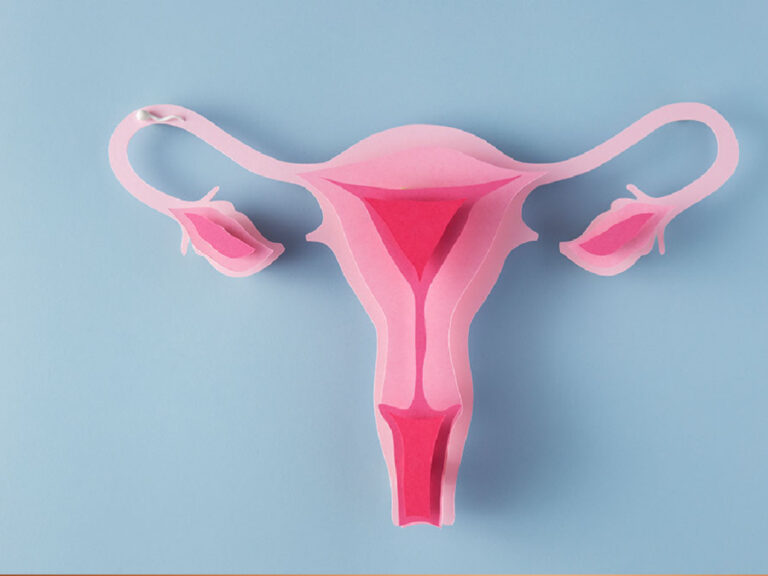


Insulin resistance alone does not prevent pregnancy; however, it can make conception more difficult by disrupting ovulation and menstrual cycles. Ovulation can become irregular, especially when it occurs in conjunction with polycystic ovary syndrome (PCOS). Insulin resistance can be controlled through dietary changes, regular exercise, weight management, and, if necessary, medication under medical supervision. If you are planning a pregnancy, it is recommended that your insulin resistance be evaluated by a doctor.
What is insulin resistance?
Insulin is one of the most important regulatory hormones of metabolism. Insulin resistance develops when the body cannot use insulin properly. If left uncontrolled, it can eventually lead to type 2 diabetes.
How does insulin resistance affect the ability to conceive?
- Ovulation: It can lead to ovulation disorders; when ovulation is irregular, the chances of getting pregnant decrease.
- Menstrual cycle: It can cause menstrual irregularities.
- PCOS: It is closely related to the development and course of PCOS. For details: Polycystic Ovary Syndrome (PCOS) and Infertility
- Egg quality and uterus: Studies show that insulin resistance can negatively affect egg development, embryo quality, and the uterine lining's ability to accept the embryo.1
Can insulin resistance cause delayed menstruation?
Yes, it can. Because insulin resistance can disrupt ovulation, periods may be delayed or irregular. Since delayed periods can also have other causes such as pregnancy or thyroid disorders, a doctor should be consulted if the delay recurs.
Symptoms of insulin resistance
- Abdominal fat accumulation, weight gain.
- Constant fatigue and weakness
- Frequent hunger, carbohydrate cravings, frequent urination
- Difficulty concentrating
- Menstrual irregularities in women
- Dark spots on the skin, especially on the neck and armpits (acanthosis nigricans)
These symptoms can also be seen in other conditions; diagnosis is made with blood tests.
How is insulin resistance diagnosed?
The diagnosis is made by a physician through blood tests such as fasting blood sugar and fasting insulin; a glucose tolerance test is performed if necessary. The result is evaluated not based on a single number, but in conjunction with weight, menstrual regularity, and co-existing conditions (e.g., PCOS).
Causes of insulin resistance
- Genetic predisposition
- Excess weight and sedentary lifestyle
- A diet heavy in refined sugar and processed foods.
- Hormonal disorders (especially PCOS)
- Vitamin D deficiency, chronic stress
How is insulin resistance treated before pregnancy?
Diet alone is often insufficient for treatment; lifestyle changes and sometimes medication are necessary.
- Nutrition: Reduce refined sugar and processed foods, and choose foods with a low glycemic index, high fiber, and healthy fats. For details: Nutrition and Infertility
- Exercise: Regular physical activity increases insulin sensitivity.
- Weight control: Losing too much weight contributes to a decrease in resistance. For details: Nutrition for Weight Loss and Infertility
- Sleep and stress: Getting enough sleep and reducing stress supports metabolism.
- Medicine: If necessary, medications such as metformin may be used under the supervision of a doctor. Do not start or stop taking the medication on your own.
Does insulin resistance affect IVF treatment?
It can have an effect. Insulin resistance can negatively impact the success of IVF treatment.1 Therefore, insulin resistance is assessed before starting treatment, and if necessary, this condition is brought under control first.
When should you consult a doctor?
- If pregnancy does not occur despite regular intercourse for 1 year (6 months if you are over 35)
- If your periods are frequently late, very irregular, or don't come at all for months
- If you have been diagnosed with insulin resistance or PCOS and are planning a pregnancy (for pre-pregnancy evaluation)
Frequently Asked Questions
Can someone with insulin resistance get pregnant?
Yes. Insulin resistance can make it more difficult to conceive, but it's not a complete barrier; when controlled, pregnancy is possible naturally or through treatment.
What insulin resistance level is necessary for getting pregnant?
There is no single target value for pregnancy that applies to everyone. Test results are evaluated by a physician along with the individual's overall health.
Can I get pregnant while taking insulin resistance medication?
If you are planning a pregnancy or think you may be pregnant while taking this medication, do not stop or continue the medication on your own; consult your doctor.
Does insulin resistance affect egg quality?
Studies show that it can have negative effects.1 Egg quality depends on many factors, primarily age.
Related content
This content Op. Dr. Aziz İhsan Tavuz, Reviewed by a Gynecologist/Obstetrician. Last reviewed: 31.10.2026.
This page is for informational purposes only; consult your doctor for diagnosis and treatment.
Source
1. Lei R, Chen S, Li W. Advances in the study of the correlation between insulin resistance and infertility. Front Endocrinol. 2024;15:1288326. doi:10.3389/fendo.2024.1288326